
Signs you may have a pest infestation and what to do next
Understand common pest control company problems, safe first checks and when professional diagnosis is needed.
Loading page
Understand common pest control company problems, safe first checks and when professional diagnosis is needed.
Effective pest control begins with identification, extent, entry points and conditions supporting the problem. Different insects, rodents and wildlife require different legal and technical approaches; a treatment label alone is not a diagnosis. Start with symptoms and evidence rather than assuming one component or solution.
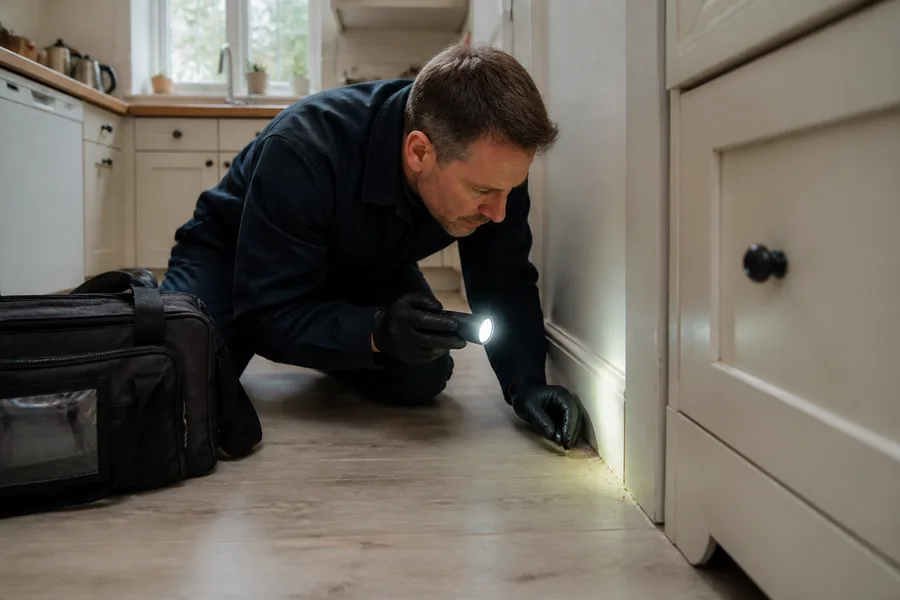
Write down when the issue began, whether it is constant or intermittent, what happened immediately before it, and any sound, smell, warning, damage or error message. Photograph relevant details without entering an unsafe area. A short timeline helps a pest control company judge urgency and prepare, but it is not a remote diagnosis.
• droppings, gnaw marks or tracks from rodents • repeated insect sightings • nesting material or noises in voids • bites or marks that need careful identification • damage to food packaging or stored goods • entry points around drains, roofs and service penetrations Several causes can produce the same symptom. Avoid selecting a provider solely because an advert repeats the name of the symptom; the useful question is how they will test it.
Photograph signs without disturbing droppings, nests or suspect materials. Note location and timing, protect food and follow public-health guidance. Avoid mixing pesticides or placing products where children, pets or wildlife can reach them.
Immediate professional advice may be needed for stinging-insect risk to an allergic person, serious contamination, bites affecting health, or pests compromising essential services. Use medical services for a health emergency. When calling, explain the immediate safety issue or active damage first. Do not exaggerate an ordinary inconvenience, but do not allow fear of a call-out fee to delay action where people or property may be at risk.
Arrange professional help when the issue repeats, needs regulated or specialist work, requires test equipment, risks further damage or remains unexplained after safe user checks. Describe the symptom without insisting on your own diagnosis. That gives the provider room to test the cause rather than simply sell the part or service you named.
The provider should show signs supporting the identification, explain why the proposed method fits that pest and define how success will be monitored rather than promising instant certainty. Expect the provider to distinguish confirmed findings, likely causes and remaining uncertainty. For a staged diagnosis, ask what each stage costs, what decision follows and whether the first payment is credited against the repair.
Do not keep resetting, restarting or using something that presents a safety warning simply to reproduce the fault. Avoid dismantling that creates new damage, wipes an error history or makes professional testing harder. Do not buy an expensive part from an online diagnosis before confirming compatibility and return terms. Equally, do not conceal a previous DIY attempt or temporary fix. Tell the pest control company what was changed and when; accurate information is safer and usually shortens diagnosis.
Ask: What have you tested? What evidence points to this cause? Is there a smaller or safer first step? What is the complete price? What could change it? What happens if the proposed work does not solve the symptom? What paperwork and warranty will I receive? A confident professional can answer without pretending every unknown has disappeared.
Provide clear access, secure pets and valuables, keep relevant manuals or records available and tell the provider about previous work. Do not conceal an intermittent symptom or an earlier failed repair. Agree in advance who can authorise changes if you will not be present.
Keep the diagnosis, quote, invoice, test information and warranty together. Ask the provider to demonstrate normal operation and explain any monitoring or follow-up. If the symptom returns, record when and how it returned before changing anything. A useful record helps distinguish an unsuccessful repair from a different fault and makes warranty conversations more factual.
You can collect symptoms and make the safe user checks described above, but similar symptoms often have different causes. Avoid covers, safety devices, regulated work and speculative part replacement.
Use the warning signs above. In particular: Immediate professional advice may be needed for stinging-insect risk to an allergic person, serious contamination, bites affecting health, or pests compromising essential services. Use medical services for a health emergency.
Share the symptom, timing, model or system details, recent changes, photographs, access constraints and any immediate safety or damage risk.
Ask before work starts how diagnosis is charged, whether further testing is likely and what warranty applies. Keep the written diagnosis, invoice and evidence.
Use a clear description and compare providers with relevant experience for the actual problem.
Search local services